Chemicals
Malaysia and Indonesia are the world's largest palm-oil producers, which makes Southeast Asia a primary source of oleochemicals — glycerine, fatty acids, fatty alcohols and esters — as well as flavour and fragrance compounds, industrial gases and speciality chemicals. This category lists more than 600 chemical products from suppliers in Malaysia, Indonesia, Thailand, Vietnam, the Philippines, Singapore and Myanmar.
Chemicals and Oleochemicals from Southeast Asia
Which chemicals are commonly sourced from Southeast Asia?
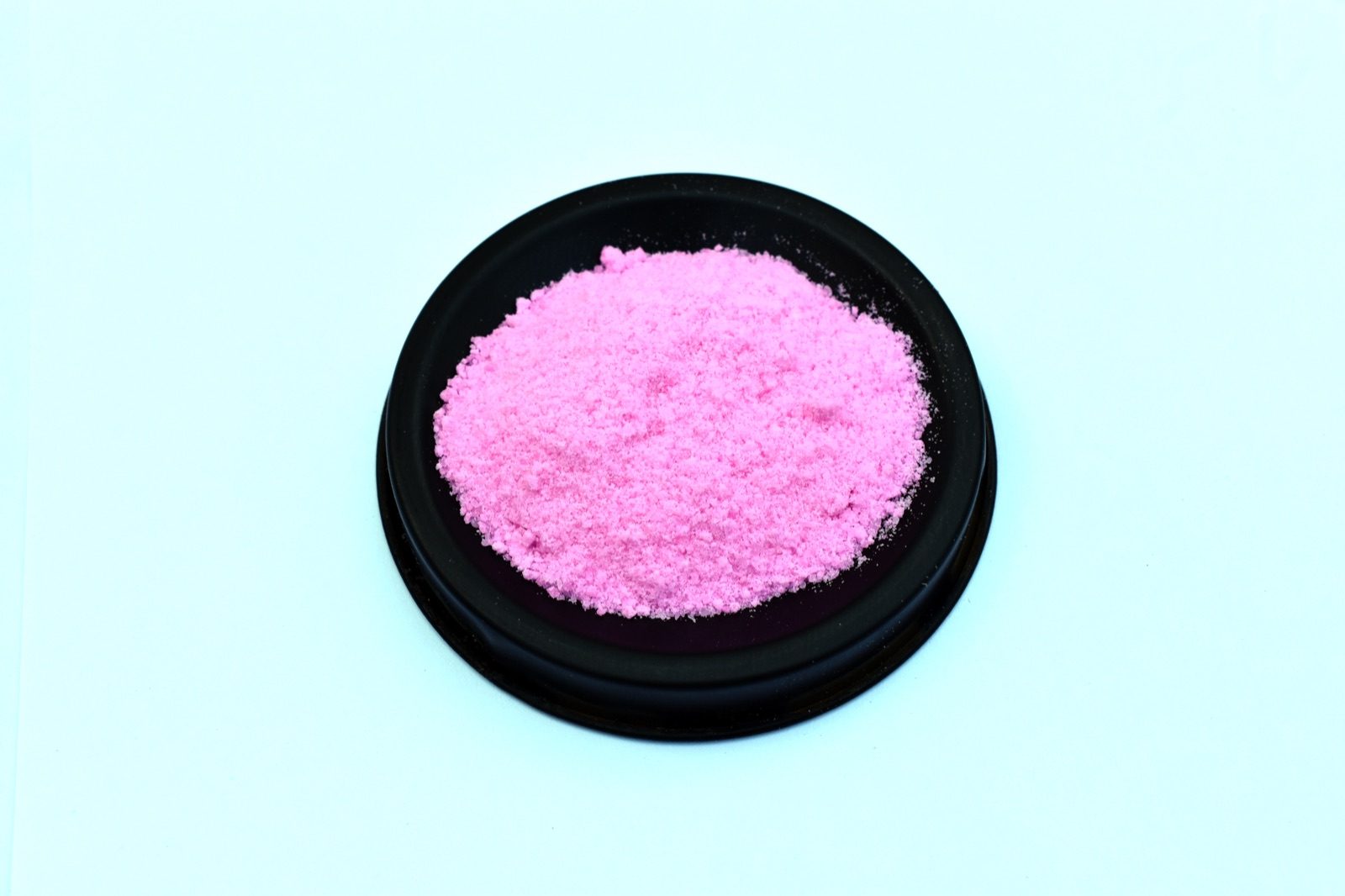
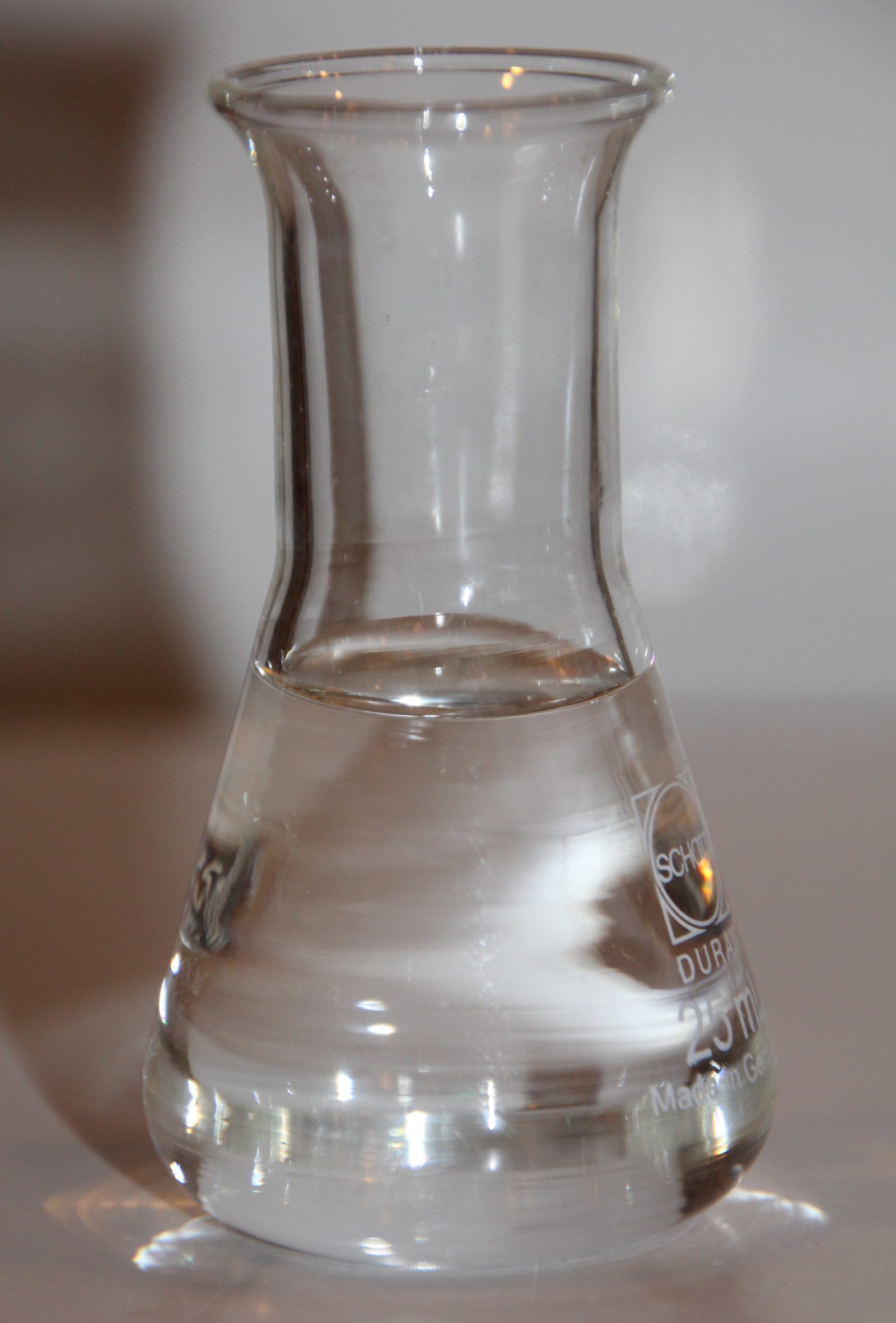
Palm-derived oleochemicals dominate: refined glycerine, palmitic/oleic/stearic fatty acids, soap noodles and fatty alcohols from Malaysian and Indonesian producers. Flavour compounds and encapsulated flavour powders from Indonesia are the next largest group, followed by industrial and agricultural chemicals from Thailand and Vietnam.
What is the typical MOQ for chemical products?
Most listings quote 20–25 drums (roughly 4–5 tons) or one isotank for liquids; powders ship in 25-kg bags with MOQs of 20–25 bags upward. Bulk oleochemicals move in full containers or parcel tankers. A paid sample of 1–5 kg is standard practice before a first drum order.
What documents should a chemical supplier provide?
A safety data sheet (SDS) and a certificate of analysis for the batch are non-negotiable. Ask for the REACH registration (EU), TSCA status (US) or equivalent for your market, kosher/halal certificates where relevant for food-grade material, and ISO 9001. For oleochemicals sold as sustainable, ask for RSPO supply-chain certification and the specific model (Mass Balance vs Segregated).
How is pricing quoted for oleochemicals?
Usually per metric ton, FOB Port Klang, Pasir Gudang (Malaysia) or Belawan/Dumai (Indonesia), and indexed to crude palm oil so quotes are valid for days rather than weeks. Lock the price with a deposit through escrow, and agree the CPO reference if you plan repeat orders. See our palm oil import guide for the underlying market.
Can I ship chemicals by air for urgent orders?
Only non-hazardous classes, and it is rarely economical above a few hundred kilograms. Check the UN number on the SDS: dangerous goods need a DG-certified forwarder and IMDG packaging by sea. Ask the supplier which forwarders they already use for your destination.
Catalog figures are from the Seagoods database as of September 2026 and change as suppliers add or retire listings.