Machinery
Southeast Asia's machinery makers specialise in equipment for tropical agriculture and light industry: tracked tractors and power tillers for rice paddies, agricultural spraying drones, hydroponic lighting, food-processing and packaging lines. This category lists more than 120 machines from around 15 manufacturers and distributors in Vietnam, Thailand, Malaysia, Singapore, the Philippines and Cambodia.
Agricultural and Industrial Machinery from Southeast Asia
What machinery is made in Southeast Asia?
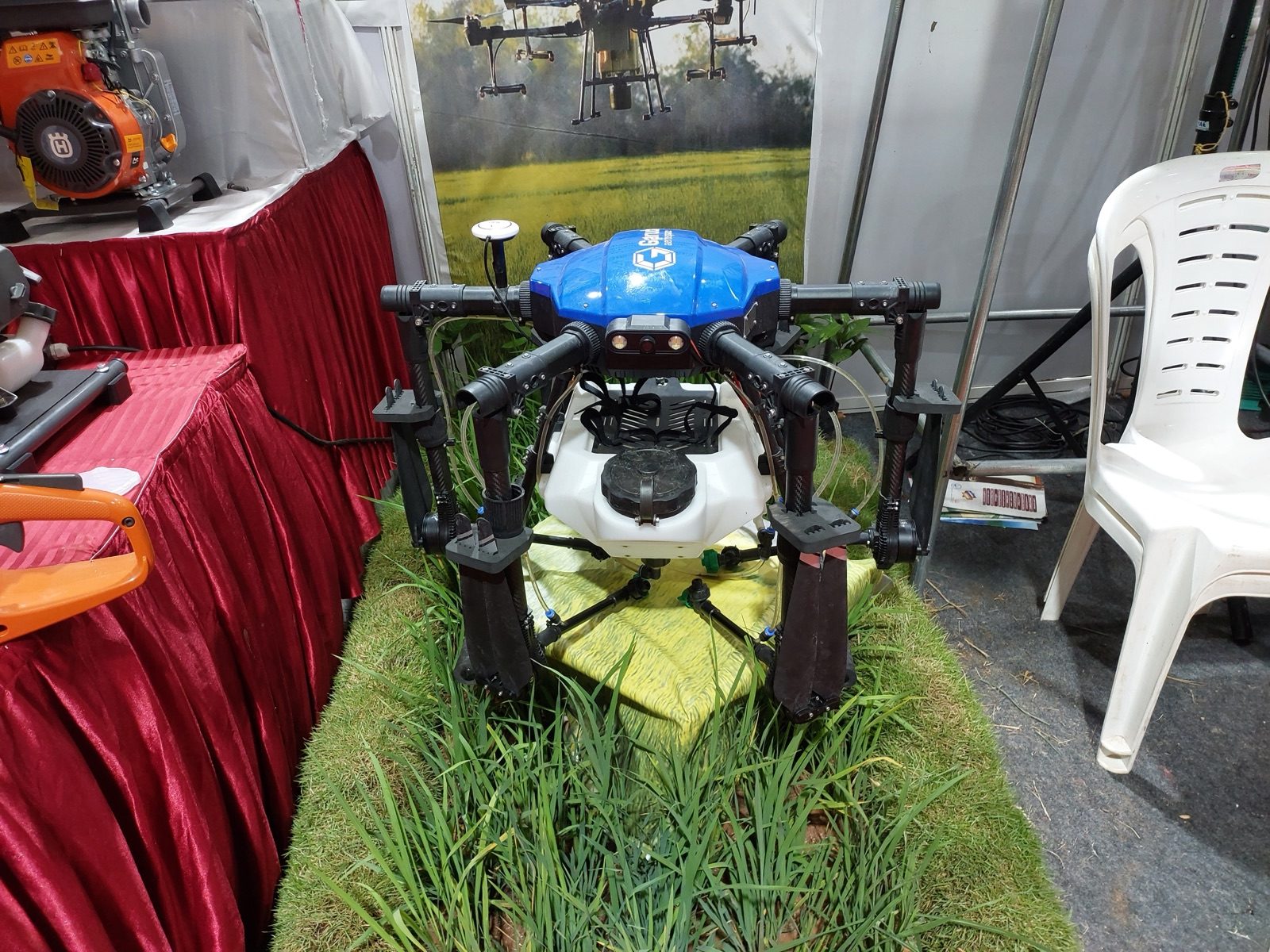
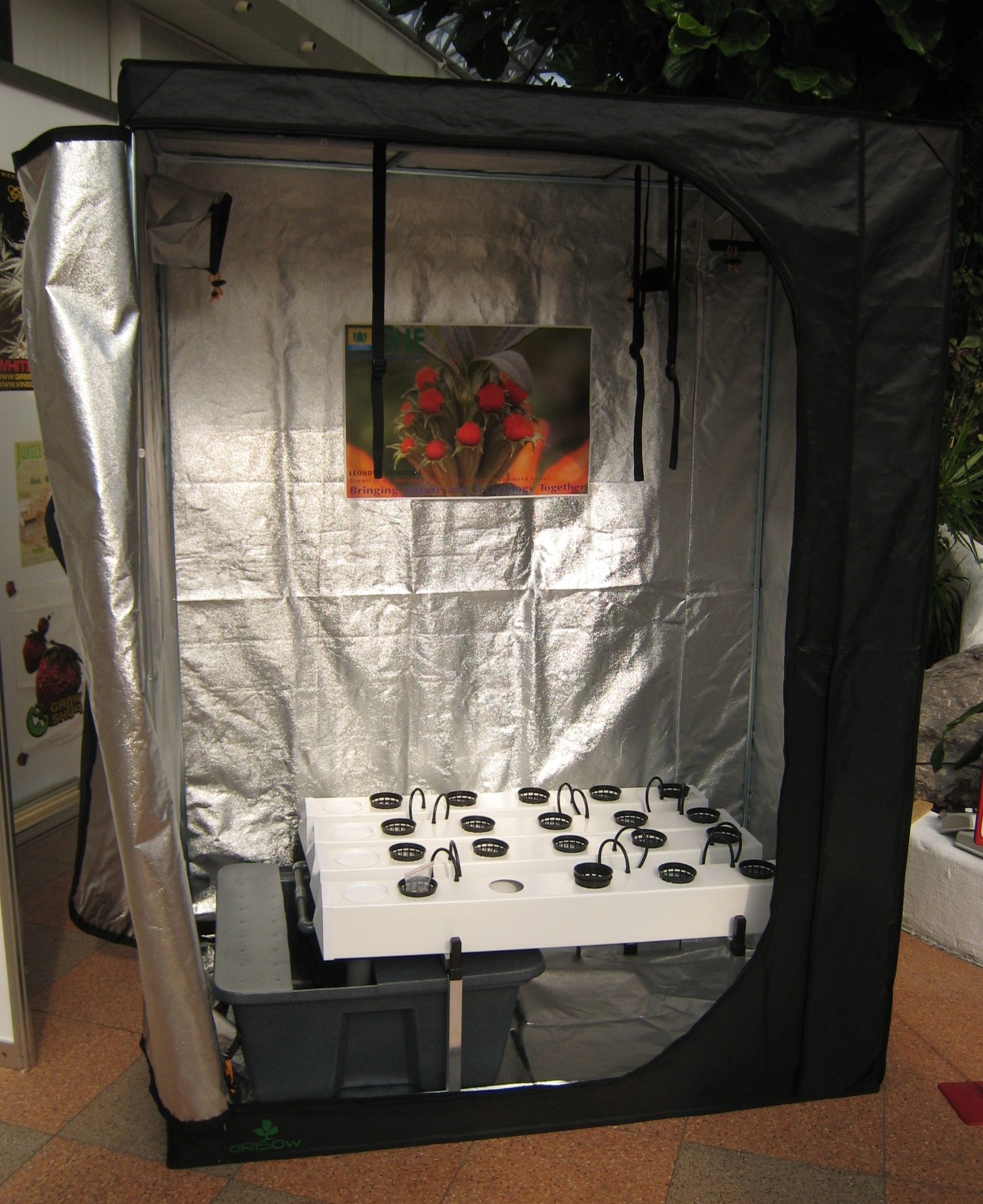
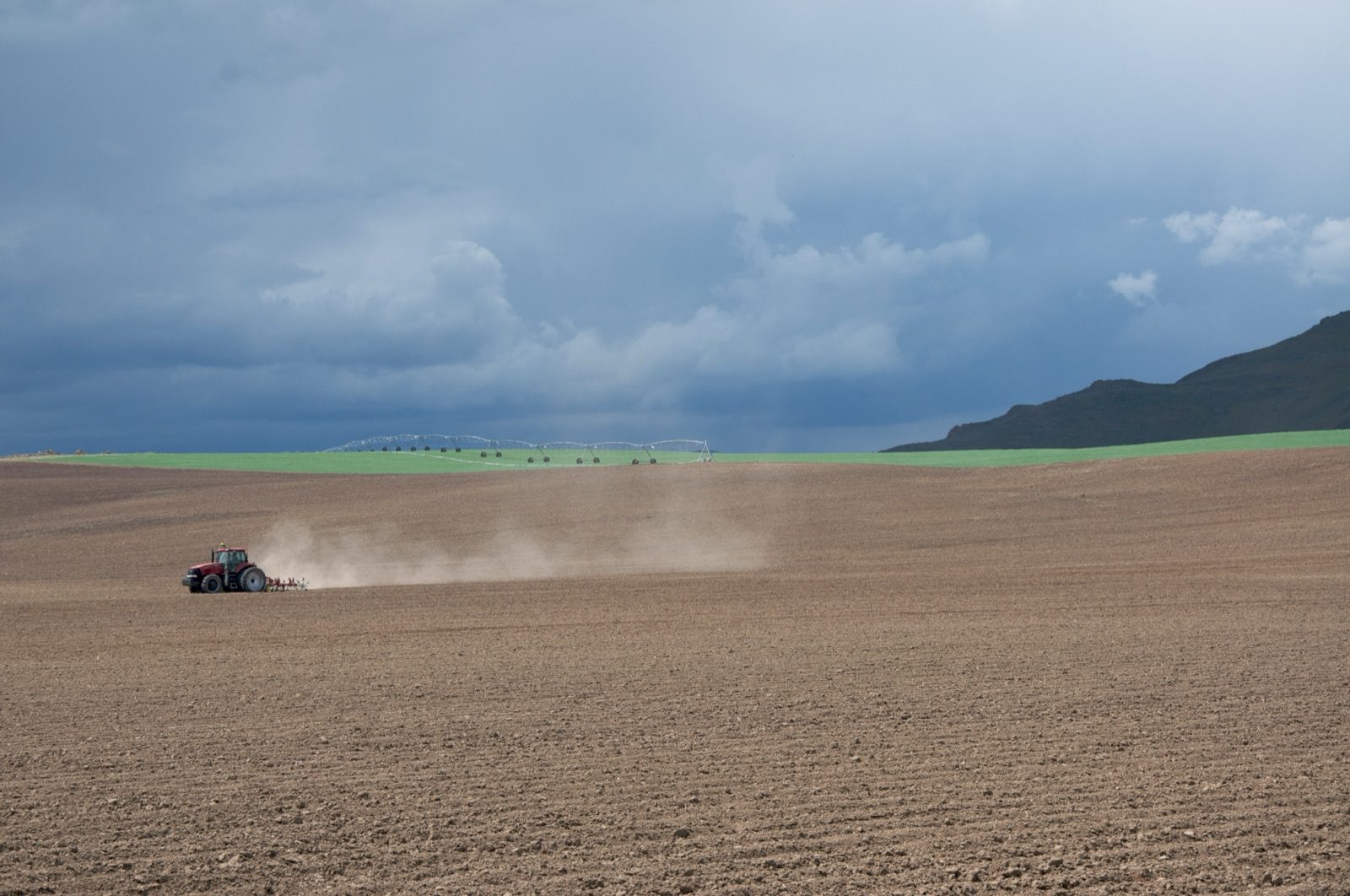
Agricultural: tracked tractors, walking tractors/power tillers, rice transplanters and harvesters, spraying drones, irrigation and hydroponic equipment. Industrial: food-processing and packaging machines, small CNC and woodworking tools, generators. Distributors also list Japanese and Chinese brands assembled or serviced locally.
What is the MOQ for machinery?
One unit for most tractors, tillers and drones; 50 units for smaller items such as LED grow lights. Spare parts are often quoted separately — ask for a spare-parts list and prices with the first quotation, not after.
Which standards and certificates should machinery meet?
CE marking for the EU, and the relevant safety standard for your market (ISO 4254 for agricultural machinery, IEC standards for electrical equipment). Ask for a test report from an accredited lab, the operator's manual in your language, and warranty terms in writing. For drones, check the radio and aviation regulations of your country before ordering.
How is machinery shipped and who installs it?
Small machines ship in crates by sea (LCL or FCL); tractors go flat-rack or in a container with wheels removed. Installation and training are rarely included — negotiate a commissioning visit or remote support explicitly. Escrow release should be tied to a successful test run on arrival.
Can I buy a single machine as a trial?
Yes — most listings here have an MOQ of 1, which makes Southeast Asian machinery a good fit for buyers who want to test equipment before ordering a fleet. Confirm the voltage/frequency (220 V 50 Hz is standard across the region) and the fuel type before paying.
Catalog figures are from the Seagoods database as of September 2026 and change as suppliers add or retire listings.