Industrial Products
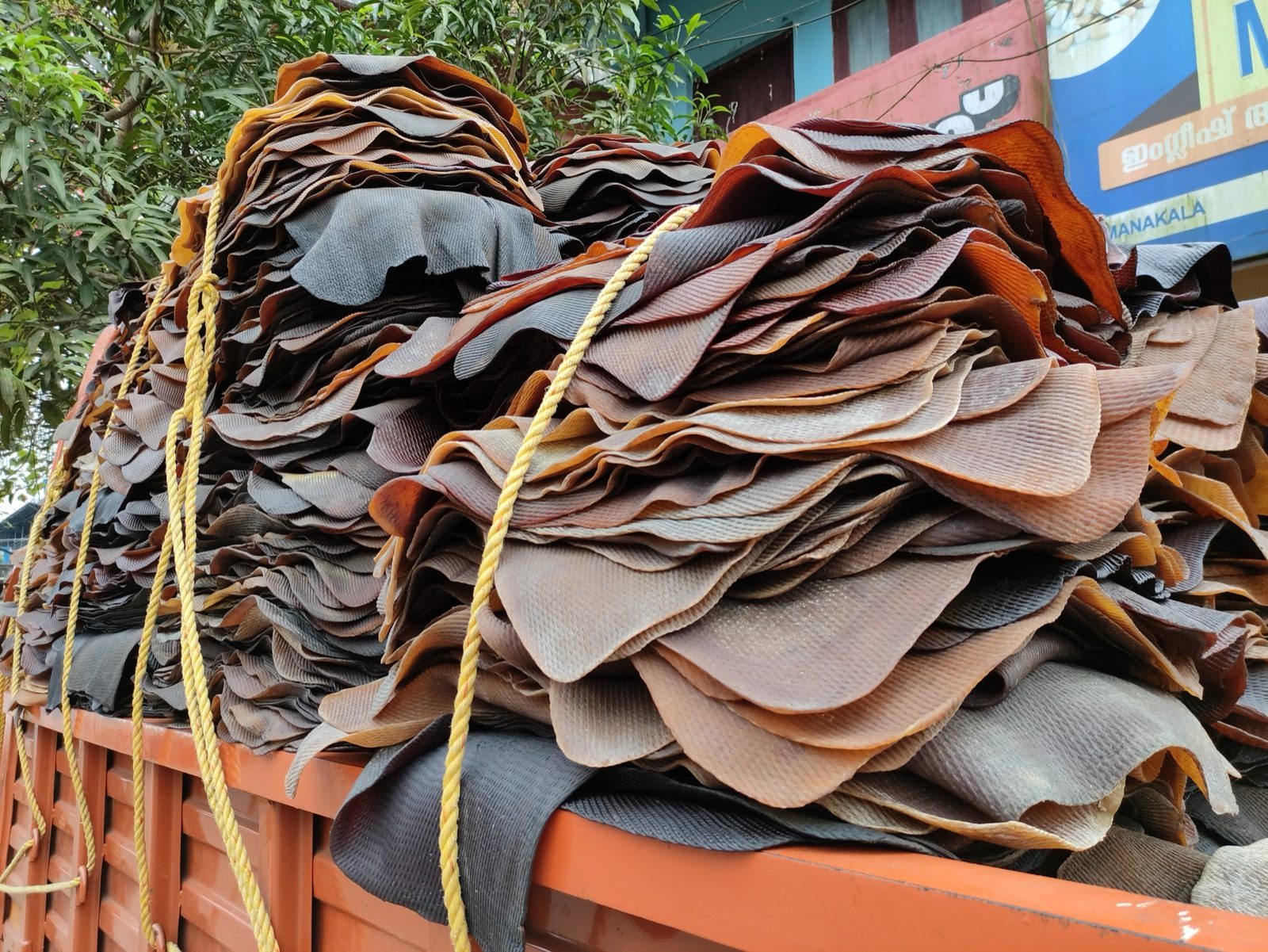
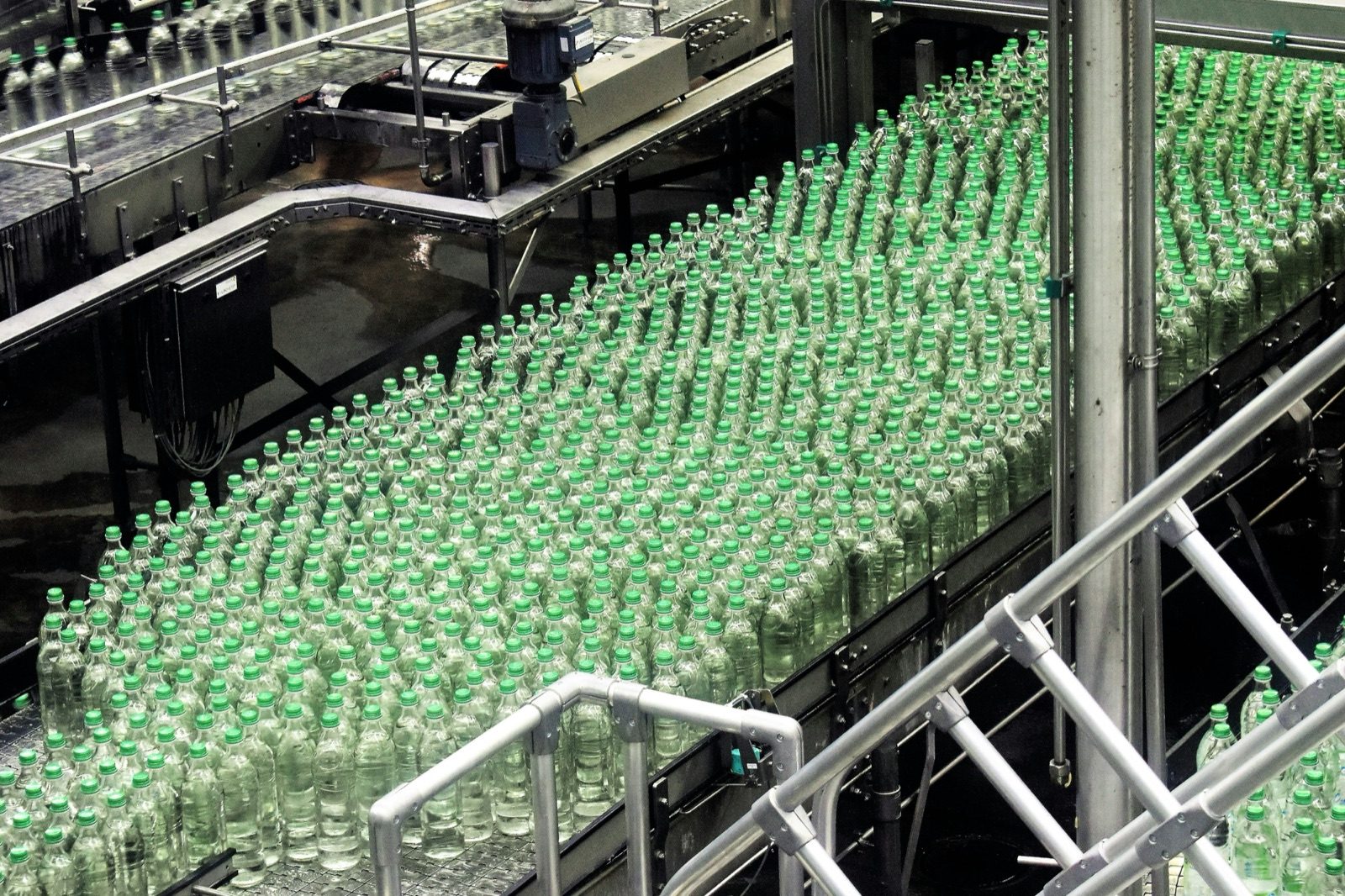
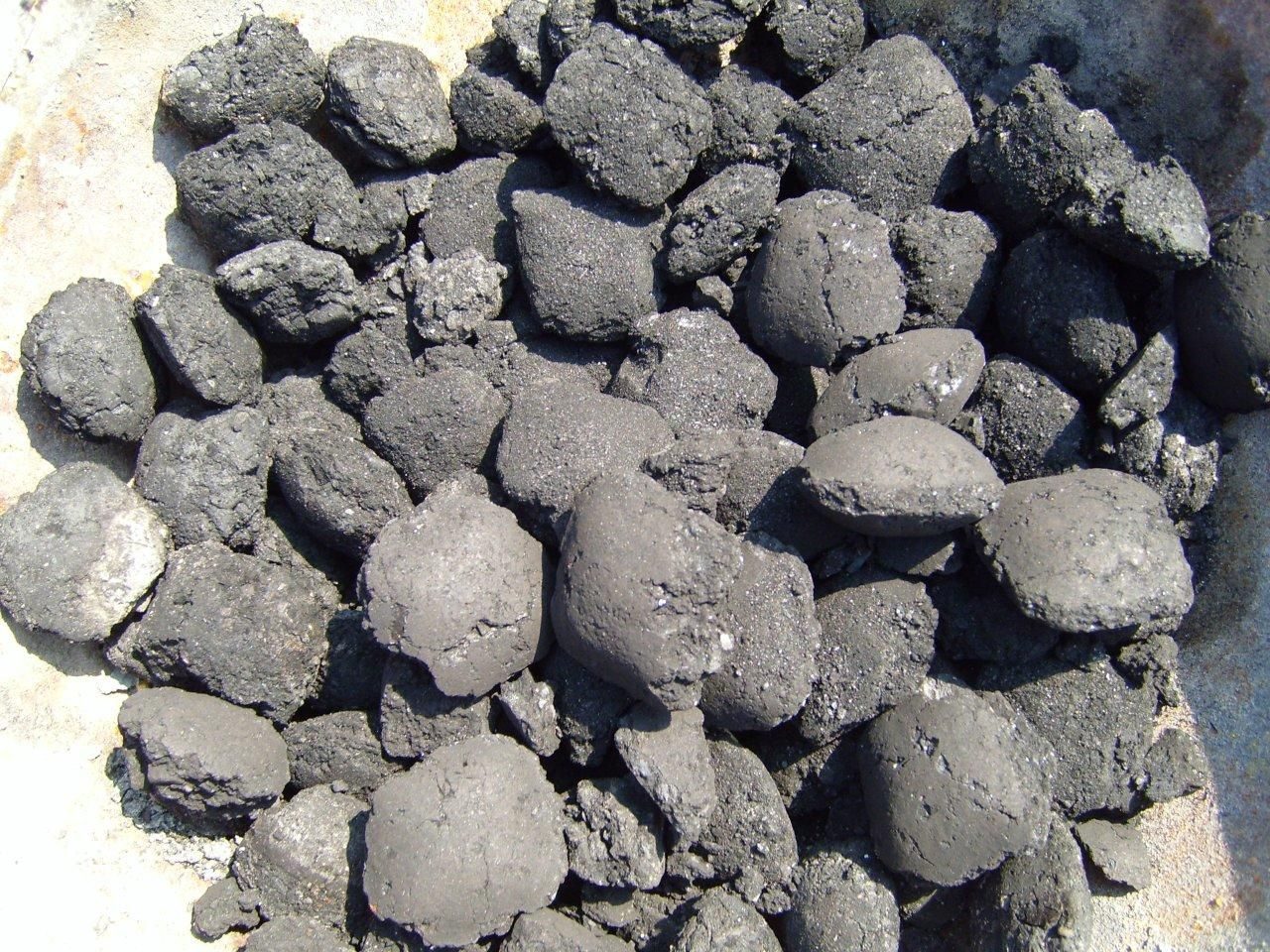
Industrial Products covers the manufacturing inputs and equipment that Southeast Asia exports beyond food: natural rubber, oleochemicals, plastics and packaging, textiles, machinery, electronics components and industrial consumables such as fishing nets and charcoal briquettes. Sub-categories: rubber, plastic products, chemicals, textiles, electronics components and machinery.
Sourcing Industrial Products from Southeast Asia
What kinds of industrial products are listed?
About 400+ active listings from 30+ suppliers across 11 countries. The largest group is chemicals — Malaysian and Indonesian oleochemicals (glycerine, fatty acids), flavour compounds — followed by machinery, plastics and packaging, electronics components from Malaysia, the Philippines and Singapore, and Cambodian and Myanmar textiles. Consumer-ready goods (gloves, furniture, garments) are in Consumer Goods.
What is the typical MOQ for industrial products?
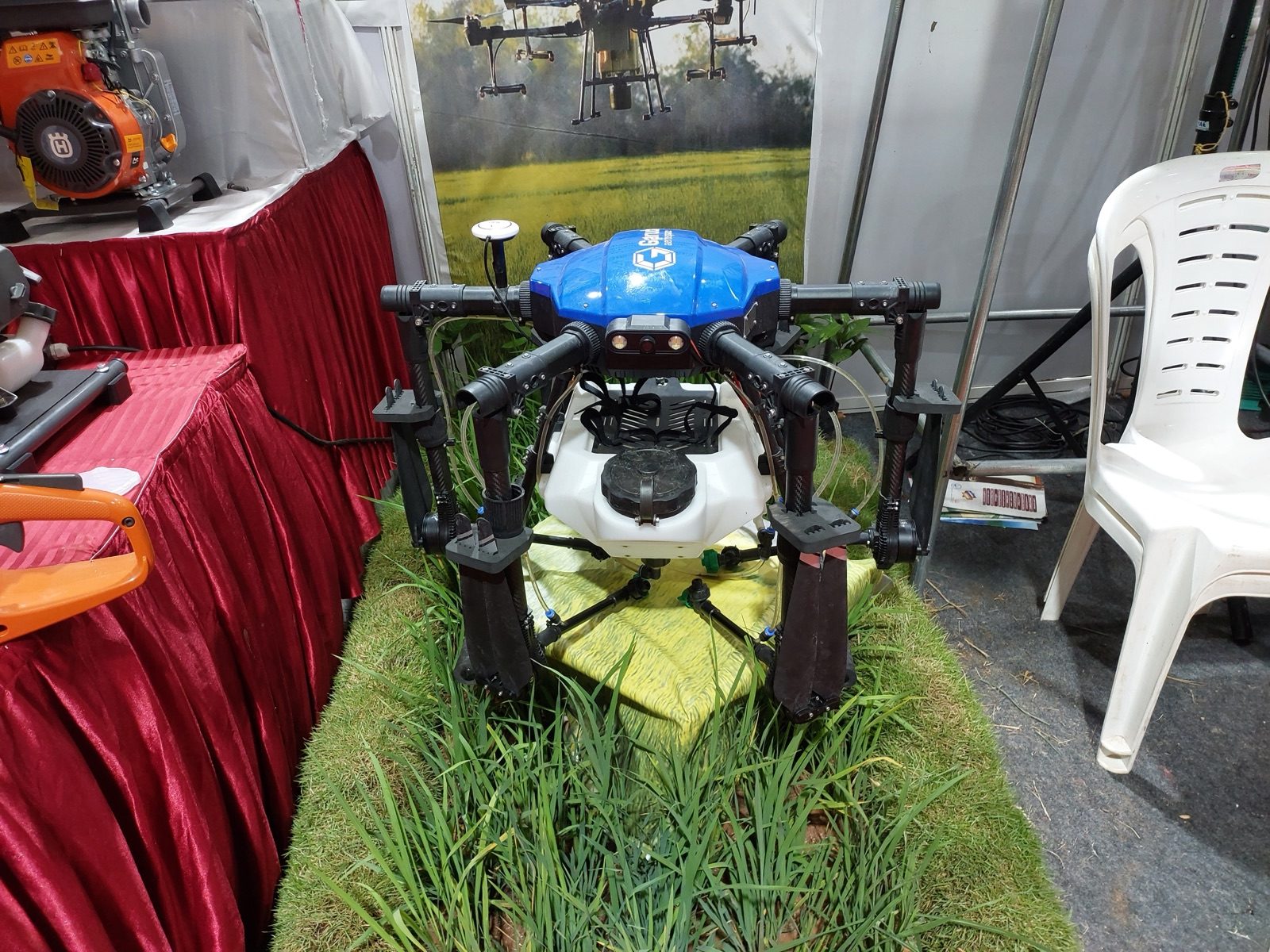
From 1 unit for machinery (tractors, power tillers, agricultural drones) to 10,000 pieces for moulded plastics and 20,000 units for electronics components. Chemicals are usually quoted per drum (20–25 drum MOQs are common) or per ton. Because MOQs vary so much, filter by MOQ on the left and post an RFQ if nothing matches your volume — suppliers with spare capacity often quote below their listed MOQ.
Which certifications matter for industrial buyers?
ISO 9001 is the baseline most buyers ask for; add ISO 14001 for environmental compliance, IATF 16949 for automotive parts, and product-specific certificates such as RoHS/REACH for electronics and chemicals, or FSC for wood-based inputs. Safety data sheets (SDS) are mandatory for chemicals — do not accept a chemical listing without one.
Why source industrial products from Southeast Asia instead of China?
Tariff diversification, ASEAN trade agreements, and lower labour costs in Vietnam, Cambodia and Indonesia are the usual reasons. Malaysia and Singapore add mature electronics and chemicals ecosystems with strong English-language documentation. Trade-offs: smaller factory scale, longer lead times for tooling, and fewer one-stop component suppliers — see How to import electronics components and industrial parts from Malaysia.
How does Seagoods verify industrial suppliers?
Suppliers that have claimed their store can apply for Verified or Premium Verified status, which requires business-registration documents and, for Premium, additional onboarding. Profiles compiled from public sources are marked as unclaimed and carry no verification badge. Read Seagoods verification tiers explained before you rely on a badge.
Catalog figures are from the Seagoods database as of September 2026 and change as suppliers add or retire listings.